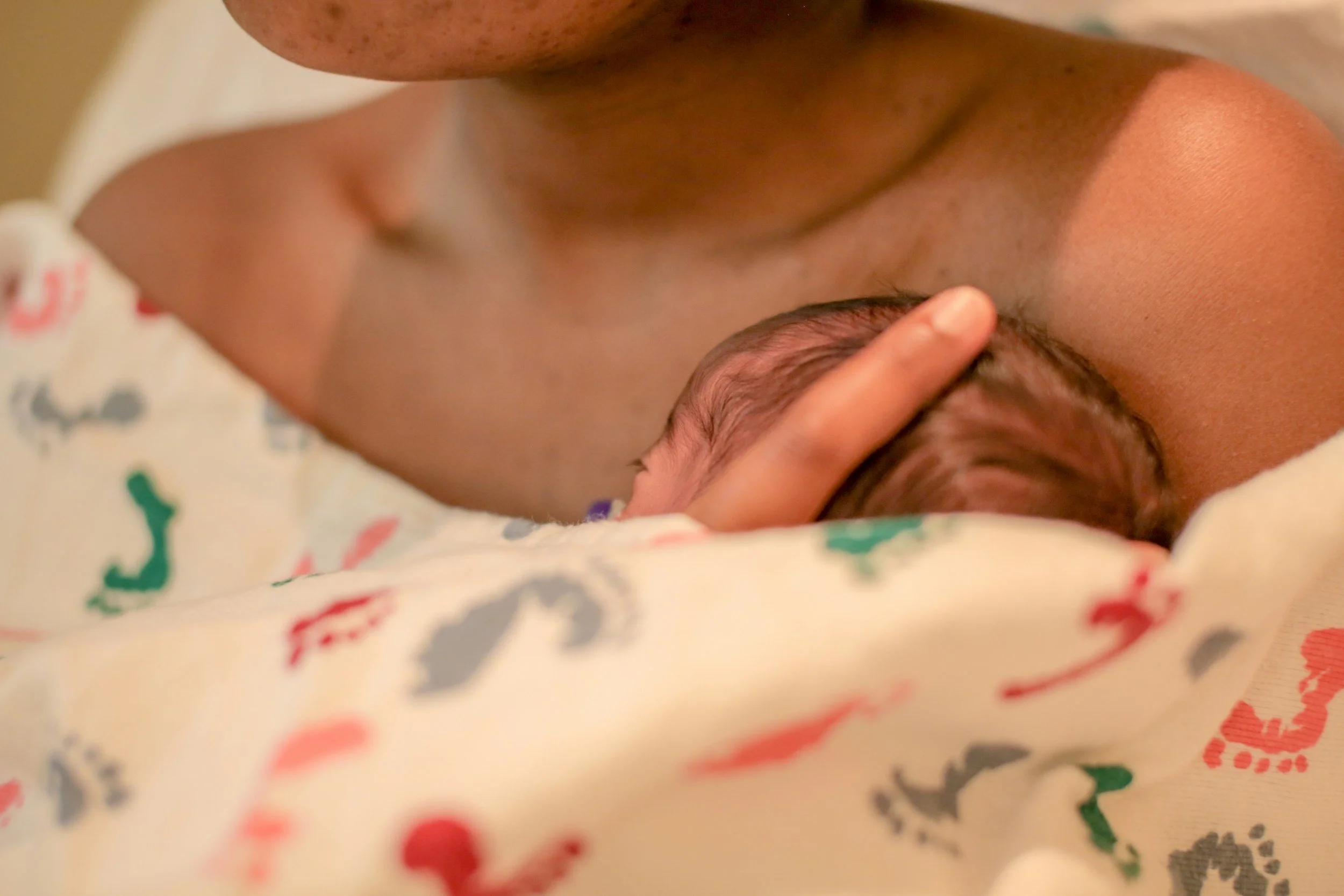
In many of our families, birth was never something done alone. It was surrounded by women, by elders, by parteras, by hands that knew how to hold without rushing, and voices that knew when to speak and when to simply provide witness.
Our abuelas didn’t always call it a “birth team,” but they lived it. They understood that birth is not only medical, it is also emotional, spiritual, cultural, and relational.
Somewhere along the way, many families were separated from that circle of care. And now, as more people begin searching for support that feels safe, respectful, and familiar again, the question often becomes:
Who do I actually need in the room with me? A doula? A midwife? An OBGYN? All of them?
The truth is, there is no one right answer. But there is a right combination for you. This post is here to help you understand your options so you can build a birth team that feels aligned with your body, your voice, and your values, just like care was always meant to be.
What Is a Birth Team (and Why It Matters)
Pregnancy is full of decisions. Where you’ll give birth, how you want to feel, who you want in the room, and what kind of support actually feels right for you and your family.
When thinking through all of this, you may begin to wonder: “What’s the difference between a doula, a midwife, and an OBGYN?” And underneath that question is usually something deeper, which of these providers is actually going to see me, hear me, and support me in the way I need?
That’s when we talk about building a birth team. A birth team is the group of providers who support you through pregnancy, birth, and postpartum. The right combination depends on your needs, preferences, and your level of comfort with different types of care.
The Role of a Birth Doula
A birth doula is a trained non-medical support professional who walks with you through pregnancy, labor, and birth. Think of a doula as your guide, emotional anchor, and someone who is fully there for you.
For many families seeking culturally aligned care, a doula can feel like someone who understands not just birth but understands you, your language, your family, and your comfort.
What a birth doula does:
Supports you during pregnancy with education, preparation, and emotional grounding
Helps you create a birth plan that reflects your values and preferences
Prepares your partner or support person so they feel confident and included
Provides continuous support during labor (movement, breathing, comfort techniques)
Helps you understand your options in real time so you can make informed decisions
Supports your partner emotionally so they can stay present and grounded
Holds space for your experience without judgment
One of the most magical parts of doula care is the relationship built before birth. By the time labor begins, your doula already knows your story, your hopes for birth, your fears, and what safety feels like for you. That familiarity can change how supported you feel during one of the most vulnerable moments of your life.
What a birth doula does NOT do:
Perform medical tasks
Deliver or “catch” the baby
Monitor vitals or fetal heart tones
Replace your medical provider
Doulas work alongside your medical team, not instead of them. Their role is to protect your emotional safety, comfort, and sense of support throughout birth.
The Role of a Midwife
Midwives are medical providers who specialize in pregnancy, birth, and postpartum care, often with a focus on low-risk pregnancies. Many families are drawn to midwifery care because it feels more personal, slower, and relationship-based.
Midwifery care is deeply rooted in traditions of community birth, including the work of parteras in many Latina and Indigenous communities.
Types of midwives:
Certified Nurse-Midwives (CNMs) – often work in hospitals and can prescribe medication
Certified Professional Midwives (CPMs) – often attend home or birth center births
Traditional/Community Midwives (parteras tradicionales) – often work within cultural or ancestral frameworks
What a midwife does:
Provides prenatal care and monitoring
Supports you during labor and birth
“Catches” the baby / assists in delivery
Offers postpartum care
Focuses on whole-person care, the physical, emotional, and relational side of things
Midwifery care often feels like a relationship built over time. You are not just a patient, you are a person they come to know and support.
What a midwife does NOT do:
Perform surgical births (like C-sections)
Typically manage high-risk pregnancies without OB collaboration
Replace hospital-based obstetric care when complications arise
The Role of Labor & Delivery Nurses
Labor and delivery nurses are often the backbone of hospital births. They are the ones monitoring, adjusting, and supporting you throughout labor within a clinical setting.
What a labor nurse does:
Monitors contractions, vitals, and fetal heart rate
Assists with IVs, medications, and epidurals
Supports you during pushing and delivery
Communicates with your OB or midwife
Ensures safety and hospital protocols are followed
What a labor nurse does NOT do:
Stay continuously at your bedside
Provide one-on-one emotional or physical support throughout labor
Make independent medical decisions about your care plan
Many nurses are compassionate, but their role is clinical and often shared between multiple patients.
The Role of an OBGYN
An obstetrician-gynecologist (OBGYN) is a medical doctor who specializes in pregnancy, birth, surgery, and reproductive health. In the U.S., they are often the primary providers for hospital births, especially for higher-risk pregnancies.
What an OBGYN does:
Oversees medical care during pregnancy
Diagnoses and manages complications
Performs C-sections and surgical interventions
Leads hospital-based delivery care when needed
What an OBGYN does NOT do:
Stay with you continuously during labor
Provide hands-on emotional or comfort support throughout birth
Focus primarily on non-medical aspects of care
OB care is essential when medical expertise is needed, and many families feel safest knowing it is available.
So… Who Should Be on Your Birth Team?
There is no one-size-fits-all answer.
Some families choose:
An OBGYN + doula
A midwife + doula
A hospital team with strong family support
Or a combination that feels right for them
What matters most is not the label, it’s the feeling. When meeting with providers, ask yourself:
Did I feel heard?
Did I feel respected?
Did I feel safe asking questions?
Did I feel supported in my body, and choices?
Did I feel my culture was respected?
In many Latinx families, birth has always been supported collectively. This modern “birth team” is really just a way of naming what has always existed: community care.
Building a Birth Team That Feels Like Home
At Casa de Parteras, the goal is simple: to help families find care that feels aligned, informed, and rooted in trust, so you can build a birth team that truly supports you from beginning to postpartum.
Because birth was never meant to be navigated alone. It was always meant to be held by a village.
Start building your birth team today: Explore Our Directory