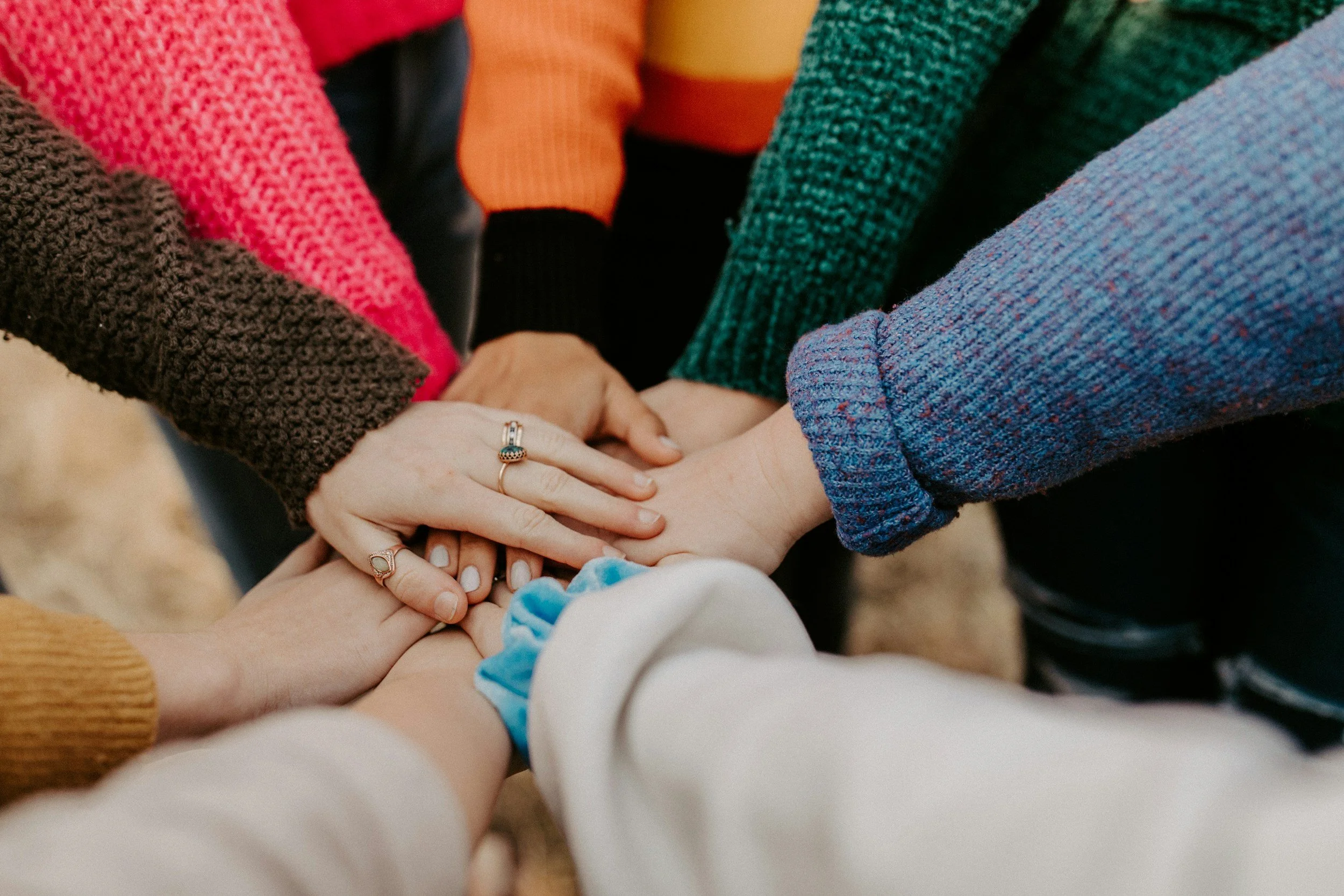
Birth work is beautiful work, but that doesn't mean it isn't deeply demanding.
As doulas, midwives, lactation consultants, and care providers, we hold space for some of the most life-changing moments in people’s lives. We witness joy, vulnerability, uncertainty, and sometimes grief, all while staying grounded, present, and supportive.
We do it passionately and with heart. But it can also be exhausting. That’s why community isn’t just “nice to have” in birth work, it’s essential.
The Hidden Weight of Birth Work
Much of what we carry in this field is invisible.
We are often on call for long, unpredictable hours. We show up emotionally for families while navigating our own lives. We advocate, educate, and support…sometimes in systems that don’t always support us back.
Over time, this can lead to burnout in birth workers: emotional fatigue, isolation, and a sense of depletion that can quietly build beneath the surface. Burnout doesn’t mean you’re not strong enough. It often means you’ve been carrying too much alone.
Community as a Protective Force
Community changes everything. When birth workers are in community, we are reminded that we are not alone in this work. We have spaces to process experiences, celebrate wins, and share the weight of difficult moments with those who understand.
A strong, supportive community can:
Normalize the emotional realities of birth work
Provide mentorship and shared wisdom
Create opportunities for collaboration instead of competition
Offer practical support (backup coverage, referrals, shared resources)
Remind us why we started this work in the first place
In short, community helps sustain us.
From Isolation to Connection
Many birth workers start their journey independently. While autonomy is empowering, it can also be isolating, especially in the early years when you’re just trying to figure it out.
Without intentional connection, it’s easy to feel like you’re navigating everything on your own: challenging births, client dynamics, business decisions, and personal boundaries. Even if we have support in our everyday lives, many people don’t understand the magnitude of what we do and the toll it can take on us.
Shifting from isolation to connection, allows us to:
Ask for help without hesitation
Learn from each other’s experiences
Build confidence through shared knowledge
Feel seen and understood
And that sense of connection directly impacts our longevity in this work.
Community Helps Prevent Burnout (Not Just Treat It)
Burnout prevention isn’t just about self-care, it’s about support systems. Yes, rest and boundaries matter, but sustainable birth work also requires being part of a network where care flows both ways.
In community, we can debrief after intense experiences, share emotional labor instead of holding it alone, step back when needed, knowing others can step in, and stay inspired by the collective passion around us. This kind of support doesn’t just help us recover from burnout, it helps prevent it altogether.
Building the Kind of Community We Need
Not all community is created equal.
The most supportive birth worker communities are built on:
Trust and mutual respect
Inclusivity and shared values
A commitment to collaboration over competition
Space for honesty, vulnerability, and growth
Whether it’s a local collective, an online network, or a training program, finding (or creating) the right community can transform your experience in this field.
You Don’t Have to Do This Alone
If you’re feeling stretched thin, disconnected, or overwhelmed, you’re not the only one, and you don’t have to carry it by yourself.
Birth work was never meant to be done in isolation.
It has always been rooted in community, in shared knowledge, collective care, and the understanding that we are stronger together.
At Casa de Parteras, we believe that supporting birth workers means building community first. Because when we are supported, we can show up more fully for ourselves, and for the families we serve.